





Register to get 2 free articles
Reveal the article below by registering for our email newsletter.
Want unlimited access? View Plans
Already have an account? Sign in
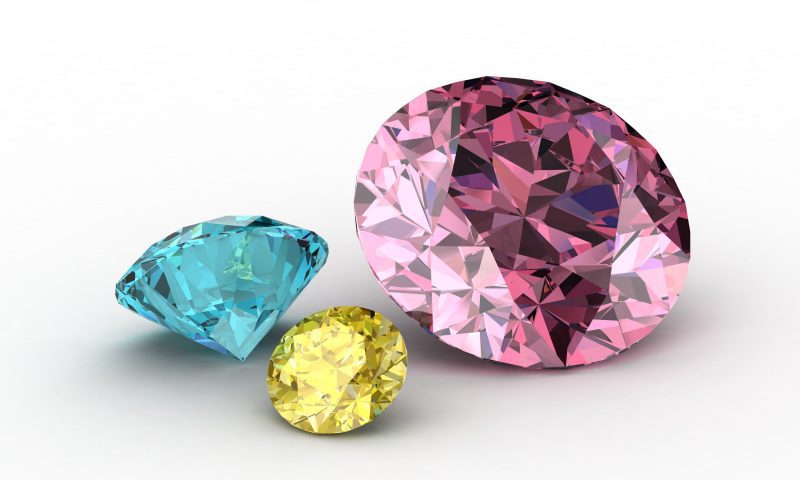
The Gemological Institute of America (GIA) has added natural coloured diamonds to its GIA Diamond Origin Report Service.
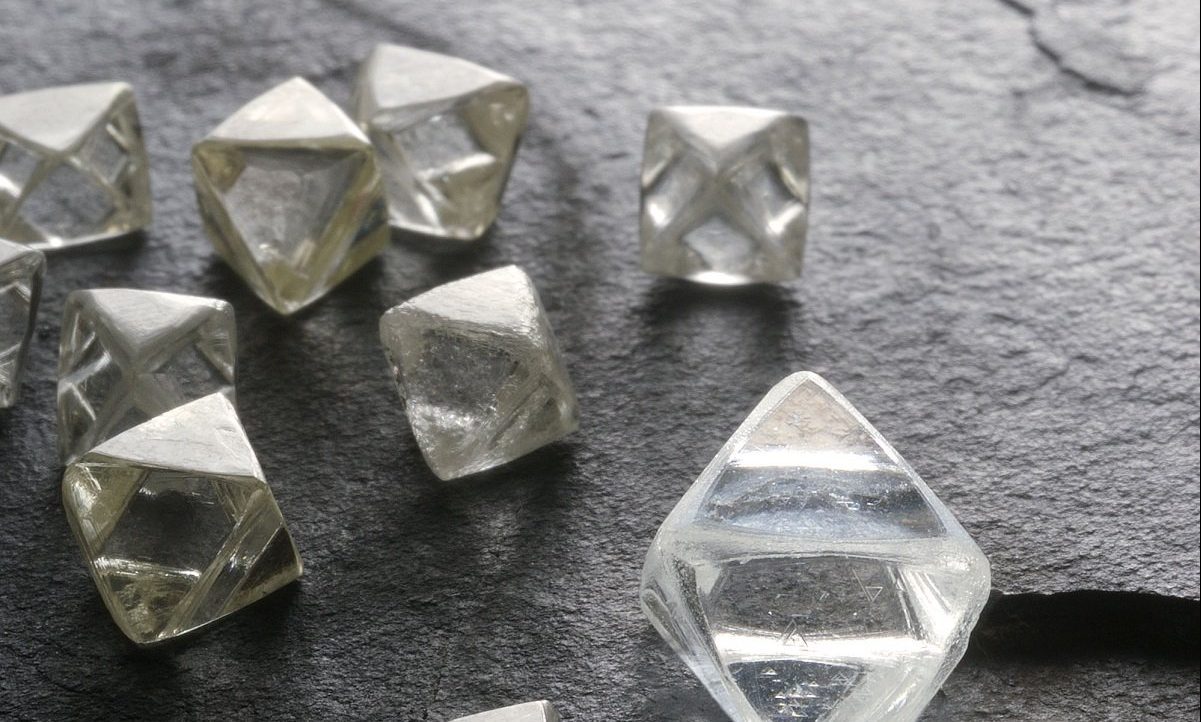
The group said the “innovative” service, announced on March 28, scientifically matches faceted D-to-Z and now natural coloured diamonds to their original rough to confirm the gem’s country of origin.
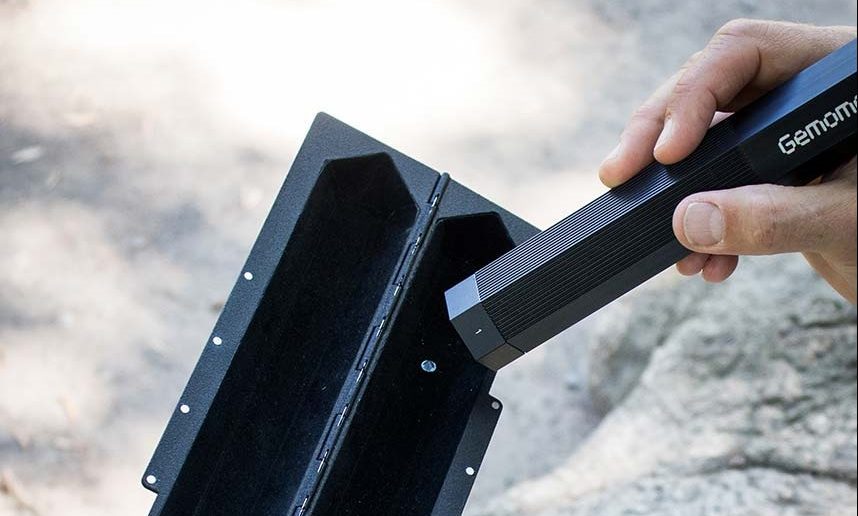
The GIA scientific matching process starts with the collection of physical measurements and other scientific data from natural rough diamonds. GIA then assigns a unique identification number to each rough stone.
When polished diamonds with a rough identification number are submitted for grading services, laboratory staff collect the same data. If the data from the polished gems matches the data from the rough, GIA will confirm the country of origin provided by the mining company and include that information on the Diamond Origin Report.
Tom Moses, GIA executive vice president and chief laboratory and research officer, said: “Reaction to the GIA Diamond Origin Report is very positive. There is strong interest in this program from miners, manufacturers and retailers. We are adding capacity for evaluating rough diamonds to meet the strong demand.”
Anna Martin, GIA senior vice president for global business development and beneficiation, added: “There is recognition across the diamond value chain of the potential for building consumer trust with scientifically confirmed diamond origin.
“Consumers clearly want to know more about their gems – where they come from, how they are produced, and how their purchases contribute to the wellbeing and sustainability of gem producing communities.”